News
Steel Arteries of the East. How Raw-Material Flows to the Košice Steelworks Are Changing
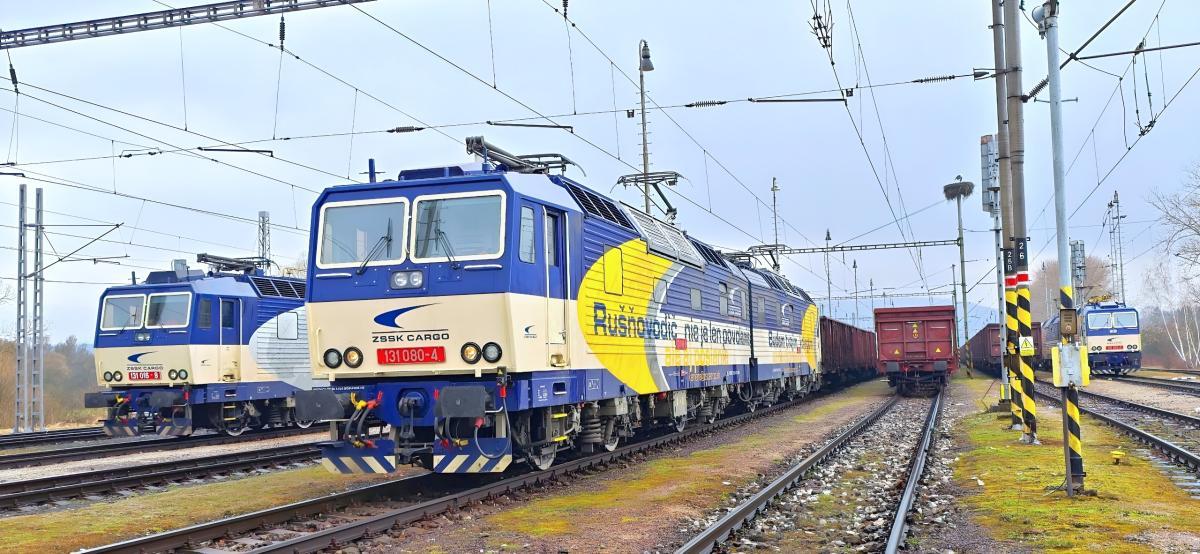
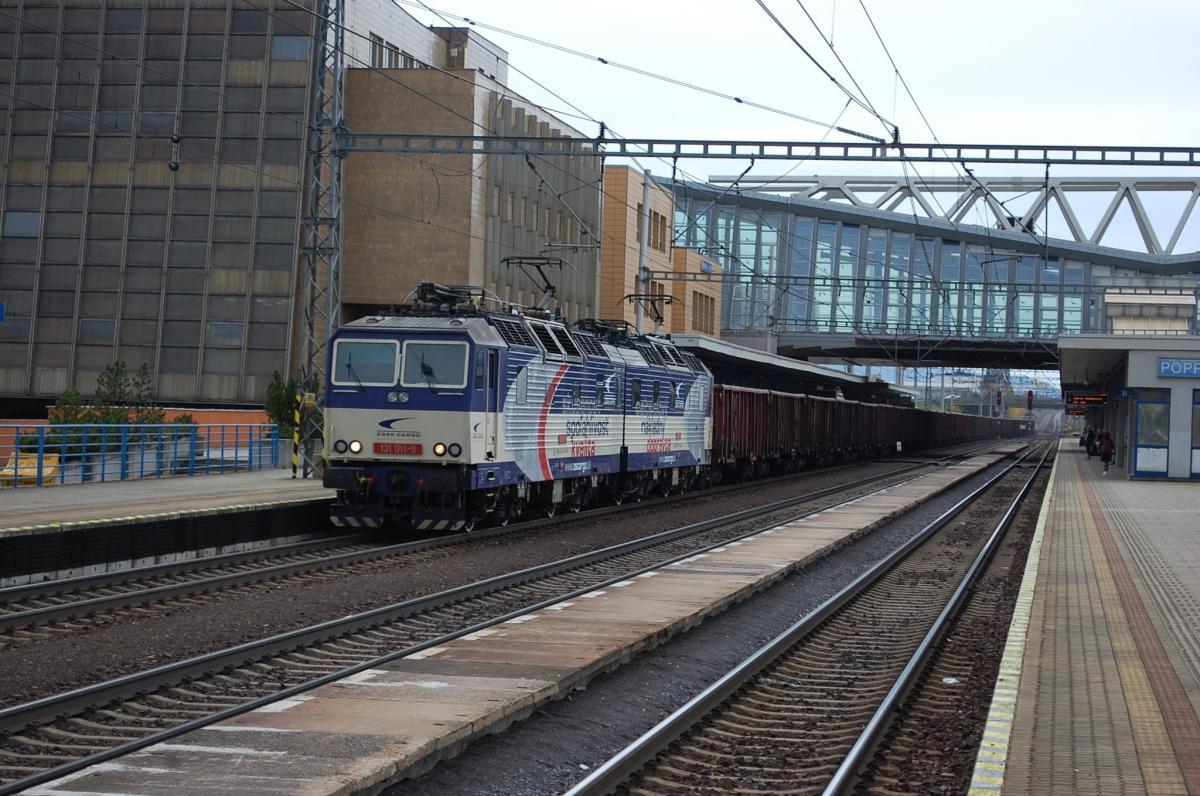
For decades, the Košice steelworks were a byword for the relentless stream of “ore rockets” arriving from the east Ukraine. Today, however, the view of the yard at Haniska pri Košiciach is a different one. The traditional routes are now complemeted by logistical diversification and preparations for the biggest technological change in the plant’s history – the switch to “green” steel.
Railways and steel have belonged together since time immemorial. After all, steel locomotives and wagons run on steel rails on steel wheels. For the Košice metallurgical complex, which in 2025 marked 60 years since its first iron was tapped, ZSSK CARGO is a strategic partner. But while in the past the raw-material flows were neatly laid out along an east–west axis, the present and the near future call for flexibility and new logistics solutions.
Yesterday: The Power of Broad Gauge
The supply history of the Košice steelworks rested on a unique piece of infrastructure – the Broad-Gauge Line. It was built with a clear purpose: to carry millions of tonnes of iron ore from Ukrainian mines straight to the blast furnaces with no need for transhipment. Coal, in turn, flowed in block trains from the coalfields around Ostrava and in Polish Silesia. This model, built on huge volumes and stability, defined rail transport in northern and eastern Slovakia for half a century.
Today: Geopolitics and Ports
The present has called for a fundamental shift in strategy. Geopolitical turbulence and the need to diversify sources mean that the key raw materials no longer arrive solely over the Broad Gauge Line.
• Iron ore: Although Ukraine remains an important source, ore from overseas (Brazil, Canada) is gaining ever greater weight. It travels by ship to the Adriatic ports (Koper, Rijeka, Bakar) or north to the Polish port of Gdańsk. From there ZSSK CARGO takes it over in block trains and hauls it to Košice via inland corridors.
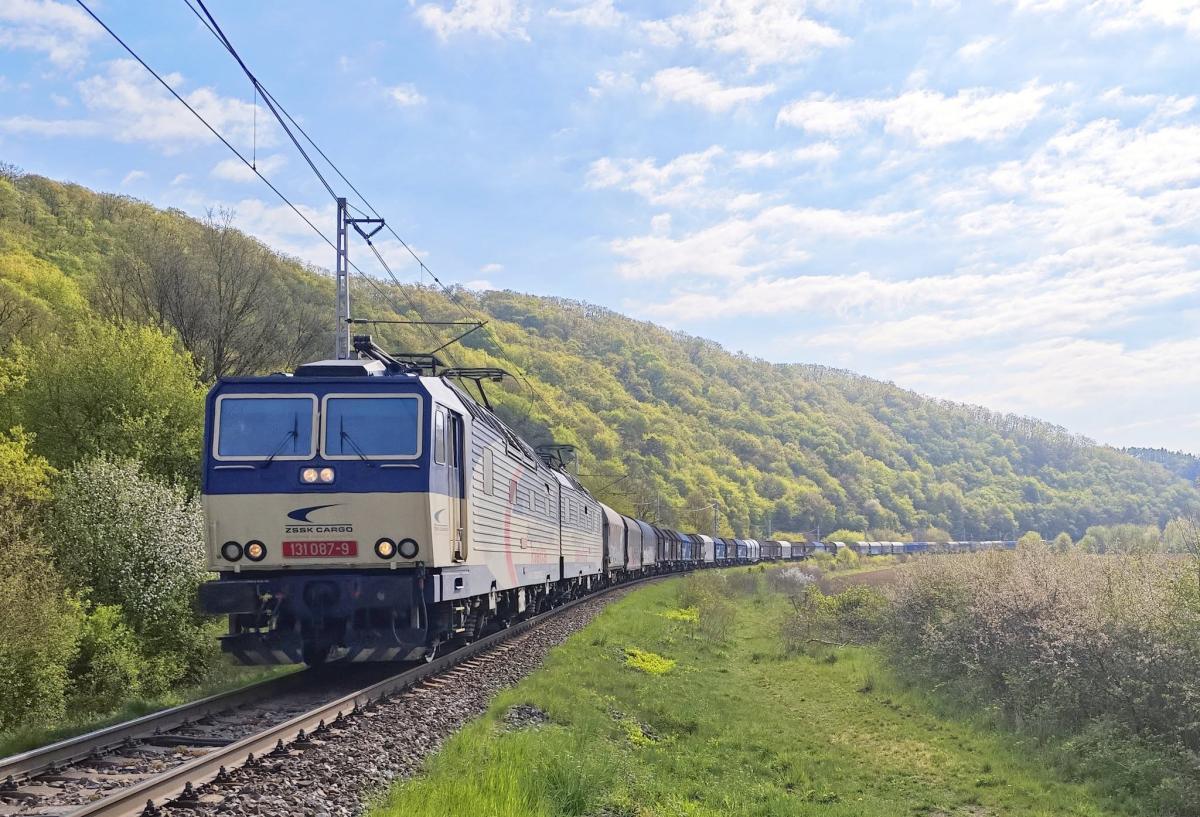
• Coal: Metallurgical coal today comes not only from Silesia but also travels halfway round the globe – from the USA or Australia. The logistics chain has thus become longer and more complex, demanding precise planning of capacity and the wagon fleet. Trains from Silesia and from the Baltic ports alike cover the final tens and hundreds of kilometres the same way – over the hills of Jablunkov Pass and the Štrba Pass, or via the interchange station of Plaveč and Prešov all the way to Haniska pri Košiciach.
Tomorrow: The Era of Scrap and the Circular Economy
The biggest change, however, is right around the corner. The change of ownership of the steelworks, the decarbonisation project and the planned construction of electric arc furnaces (EAF) in 2026 are fundamentally reshaping the nature of the logistics.
• Wind-down of ore and coal: As the blast furnaces are gradually taken out of service, the need to import vast volumes of iron ore and coking coal will fall.
• The rise of scrap metal: Steel scrap is becoming the principal input material. Unlike homogeneous ore deliveries, collecting scrap is logistically more demanding – it involves thousands of consignments from every corner of Europe. This is precisely where the single-wagonload (JVZ) system plays a key role, allowing material from small suppliers to be consolidated efficiently right into the plant’s premises. ZSSK CARGO has everything needed for this – a single-wagonload network and a sufficient number of Eas wagons suited to such traffic, which it can flexibly redeploy from the original coal and ore flows.
• Circular synergy: As with the cement works, where blast-furnace slag is turned into building material, Košice too is continuing the trend of putting by-products to use. The railway thus serves not only to bring raw materials in, but also to carry materials away for further processing in an environmentally sound manner.
ZSSK CARGO as the Integrator of Change
The steelworks are not merely a buyer of raw materials; they are the core of an entire industrial ecosystem. Whether it is limestone from the nearby Včeláre quarry, moved by shuttle service, or the export of finished steel coils for carmakers across Europe, the railway remains the backbone of this process.
In 2026 it is no longer just about “tonnes” but about intelligent logistics. ZSSK CARGO is adapting to the new routes from the ports and gearing up for a massive increase in scrap traffic, thereby directly supporting the transformation of the Slovak steelworks into one of the greenest in Europe.
Export Map. From Wolfsburg to the Adriatic Ports
Today’s export map of the Košice steelmakers resembles a dense network feeding Europe’s most important industrial centres. Whereas in the past sales were dominated by heavy engineering within the Eastern Bloc, today ZSSK CARGO’s trains carry high-value-added products that demand precise just-in-time logistics. ZSSK CARGO’s special Shimmns-class wagons, which shield sensitive steel coils from moisture, regularly run to Wolfsburg in Germany, Mladá Boleslav in the Czech Republic and to the four domestic carmakers, where the steel is turned into the bodies of modern vehicles.
The south remains a strategic direction – the Italian cities of Verona and Brescia are key hubs for Košice tinplate, which travels onward to European food-packaging makers, and for electro-techical steel bound for motor-manufacturing plants. Thanks to products such as Slovakia Express, Košice steel does not stop at the edge of the continent; via the ports of Antwerp in Belgium and Koper in Slovenia it reaches customers overseas. The railway has thus become a direct extension of the production lines that define the strength of European industry in 2026.
Technical glossary
• ŠRT (Broad-Gauge Line): A 1,520 mm-gauge line connecting Uzhhorod and Haniska pri Košiciach, crucial for importing ore without transhipment.
• EAF (Electric Arc Furnace): Electric arc furnaces that will replace the blast furnaces and make it possible to produce steel from scrap with markedly lower CO₂ emissions.
• JVZ (Single-Wagonload Shipments): A transport system in which a shipment is made up of a single wagon or a group of wagons – indispensable for the flexible collection of scrap and the distribution of finished products.
Photo: Martin ZVONÁR a Peter MICHALČIN