News
Up to 4,500 wagons daily: Bratislava východ – Slovakia’s Largest Marshalling Yard
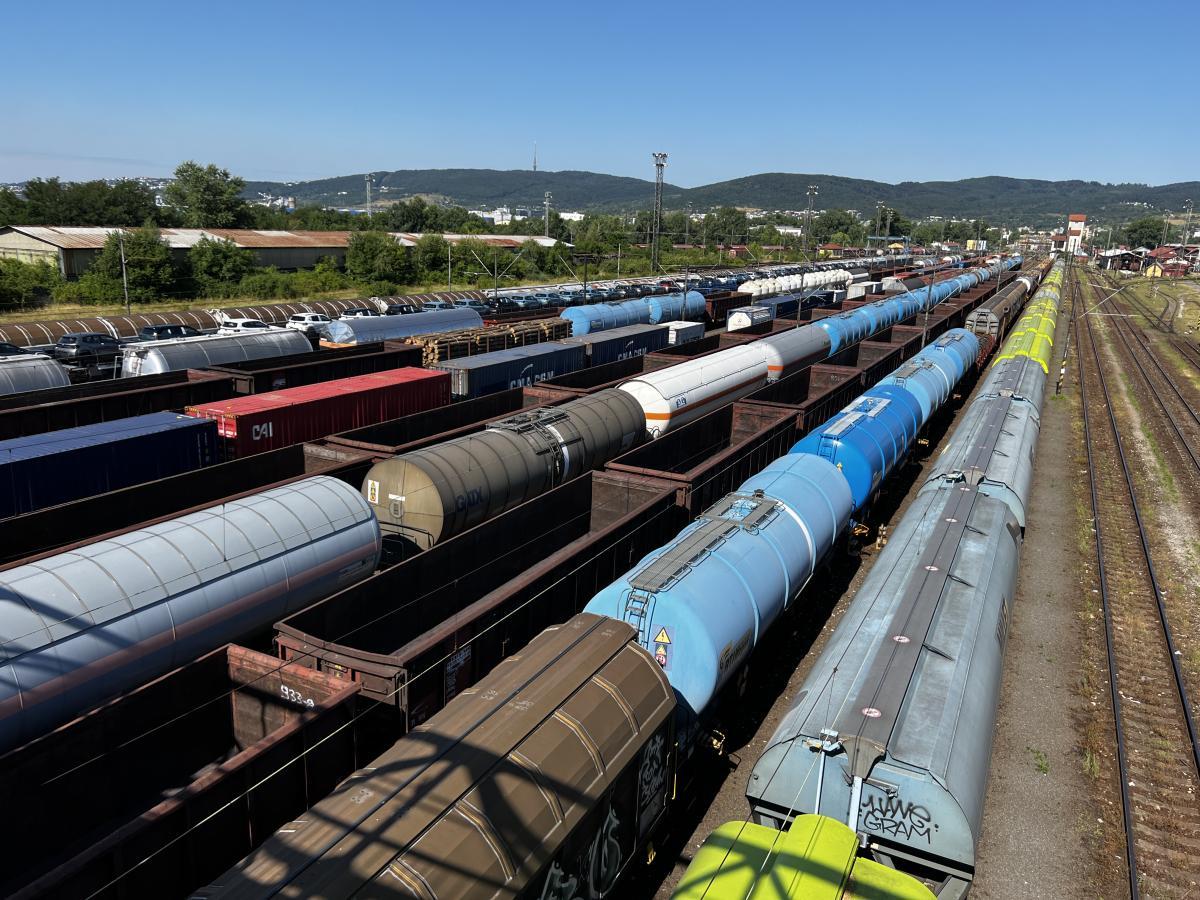
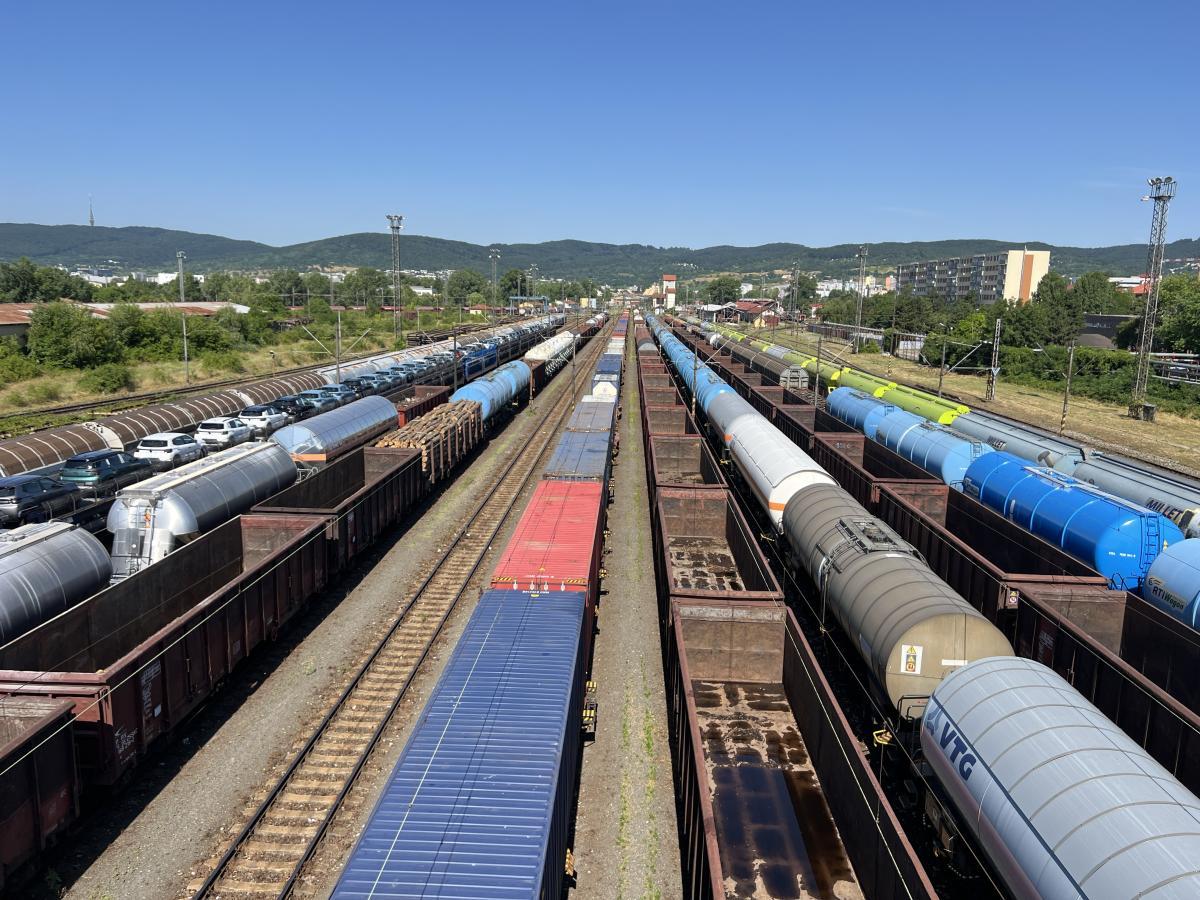
Since the end of the 19th century, Bratislava východ marshalling yard has played a key role in the railway freight system in Slovakia. Its creation and gradual expansion are closely connected with the development of the Bratislava railway node, which remains among the most important railway hubs in the country.
Historical Beginnings
The history of Bratislava východ yard began in 1883, when the Bratislava classification yard was established on the Rača–Vajnory connecting line. Its establishment followed the connection of the Váh Valley Railway (Považská železnica) with the Vienna–Budapest line in 1874, resulting in increased volumes of freight traffic. Initially, the yard primarily handled the sorting of freight wagons between various railway lines and local Bratislava stations.
Development in the 20th Century
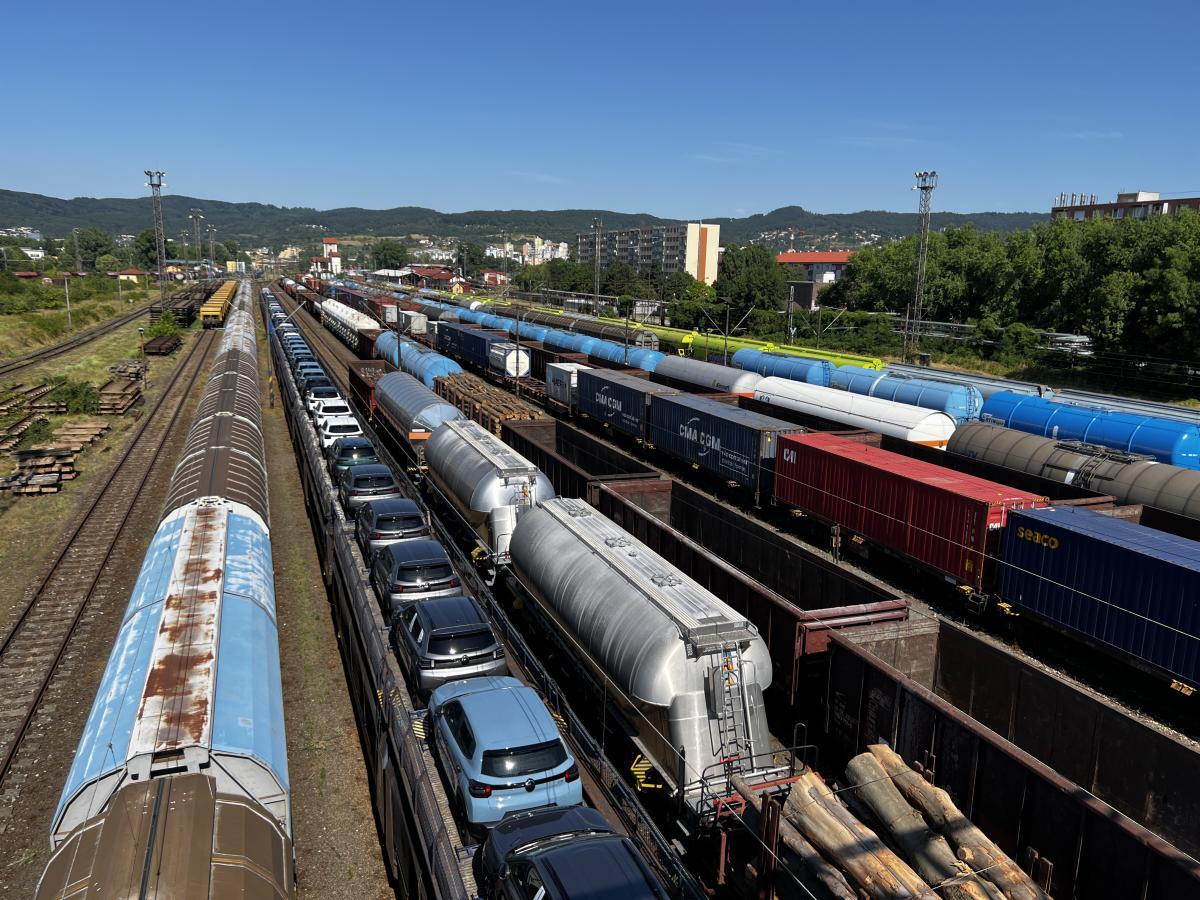
After the Second World War, the original yard no longer met the increasing demands of rail freight transport. Between 1963 and 1969, extensive modernization took place, including the construction of a new hump yard, a modern classification yard consisting of 28 tracks, and the northern departure group with four tracks. A second phase of construction (1974–1980) further expanded the yard's capacity, introducing a southern departure group with 10 tracks and extending the classification yard to a total of 37 tracks.
In 1980, the yard’s hump operations were automated using the GTSS (GAC–ARS) system, which remains the only automated hump facility within the ŽSR network today. As a result, the yard now has a maximum daily capacity of up to 4,500 wagons, making it the largest and most productive marshalling yard operated by ŽSR.
Current Status and Importance
Today, Bratislava východ yard is an indispensable component of the single wagonload system operated by ZSSK CARGO. Situated strategically between Zlaté piesky, Vajnory Airport, the Žabí Majer allotment area, and the Rača district, the yard is effectively connected to railway lines from all directions: Žilina (via Rača), Austria and the Czech Republic (via Bratislava main station), as well as from Hungary and Štúrovo (near the D1 and D4 motorway junction).
Daily operations include sorting and assembling hundreds of freight wagons bound for various destinations across Slovakia and Europe. Despite the overall decline in rail freight traffic, Bratislava východ remains a core element of freight rail logistics for Bratislava and its surroundings.
The yard complex includes a locomotive depot, a wagon repair workshop, and various technical facilities that ensure uninterrupted and efficient 24/7 operations.
ZSSK CARGO Operations at Bratislava východ
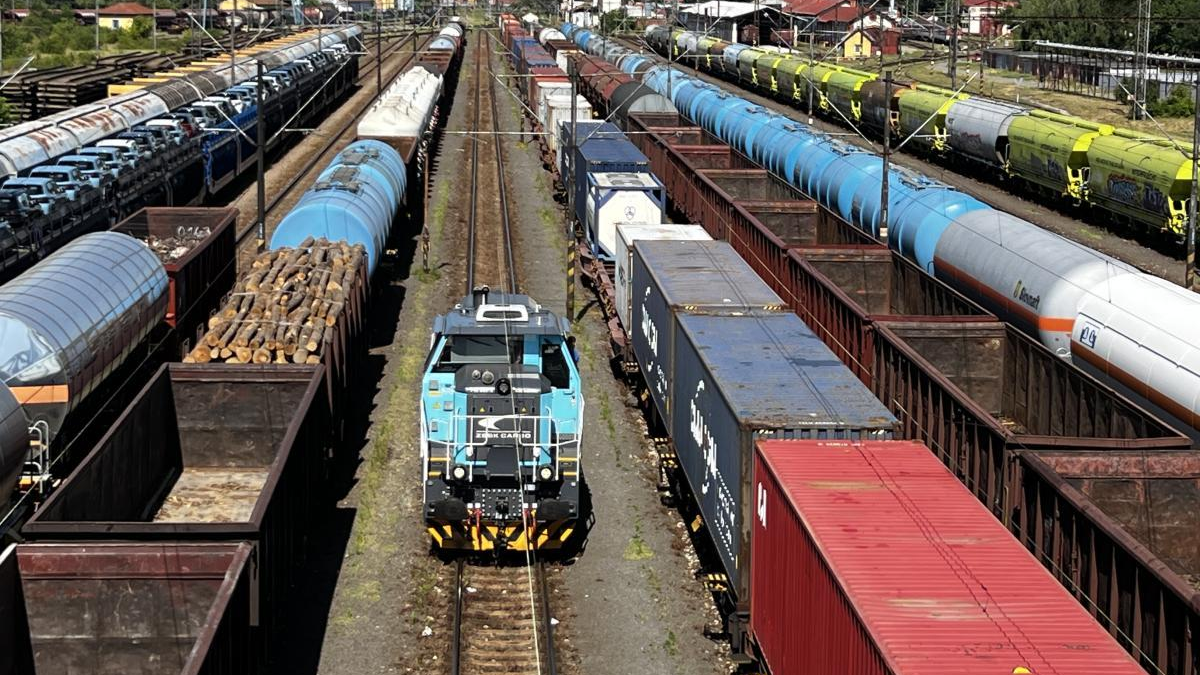
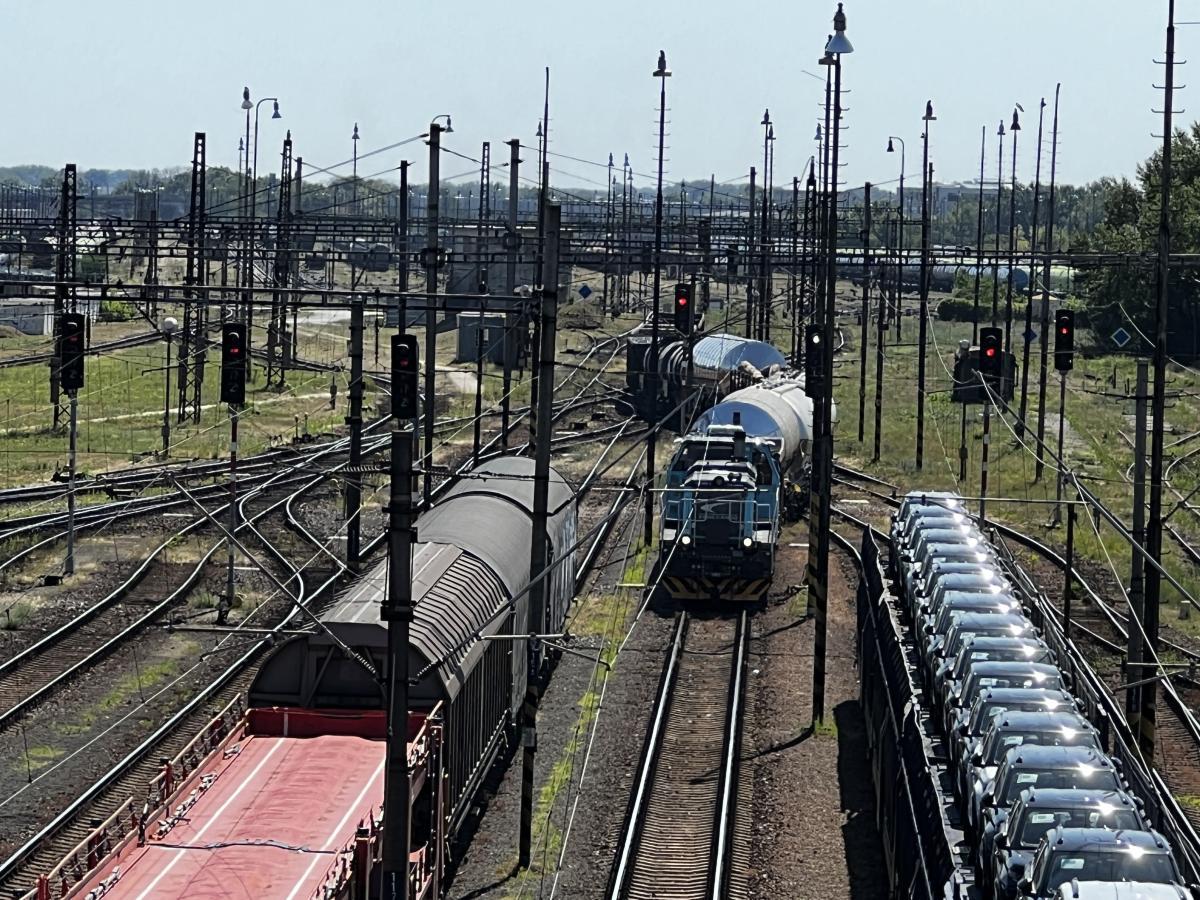
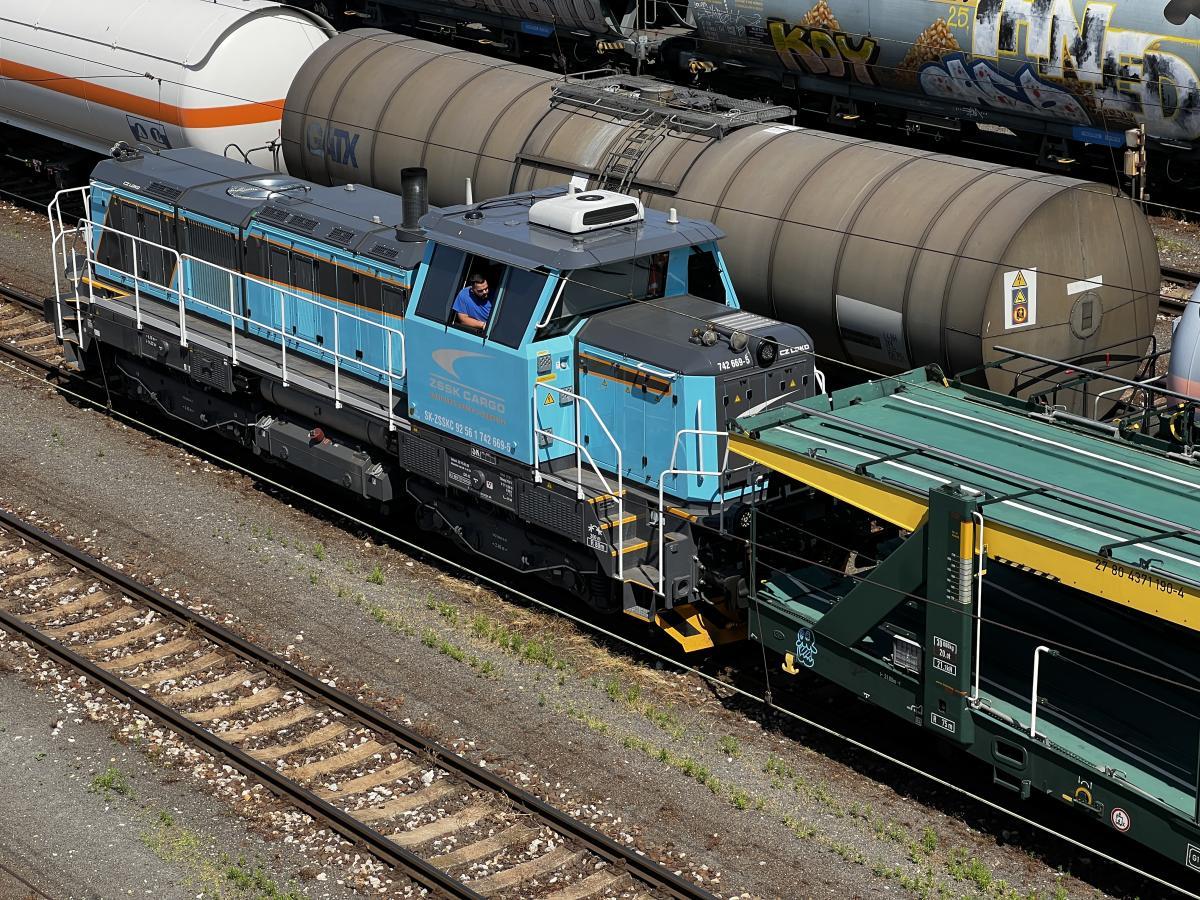
Slovakia’s rail freight operator, ZSSK CARGO, extensively utilizes Bratislava východ yard. Older Class 742 shunting locomotives have gradually been replaced by modern Class 742 locomotives, which operate shunting in the Bratislava East and Bratislava ÚNS railway stations, participate in the running of handling trains in the Bratislava area and also in the running of Pn trains on the section Devínska Nová Ves - Zohor - Rohožník.
ZSSK CARGO regularly dispatches freight trains to Bratislava východ from major marshalling and train-forming yards such as Žilina (and indirectly Košice and Čierna nad Tisou), Štúrovo (indirectly Nové Zámky and Hungary), as well as from border interchange stations Petržalka (Austrian border) and Kúty (Czech border).
Upon arrival, incoming trains proceed to the receiving tracks, where locomotives are uncoupled. Shunting staff inspect and prepare the wagons for sorting. One of the modernized 742 locomotives then moves to push the wagons towards the hump yard—an artificial hill known as a marshalling hump—where wagons are uncoupled individually or in groups. Within minutes, over 30 wagons are sorted and automatically braked onto designated classification tracks. On these tracks, new mixed freight trains are formed, each destined for a specific location. Once completed or filled to capacity, these trains are moved by shunting locomotives to departure tracks. Here, the train is completed, coupled to a line-haul locomotive, and after thorough safety checks (such as brake tests), departs to destinations across Slovakia or, increasingly, international routes.
The single wagonload system faces increasing challenges in terms of cost competitiveness compared to road haulage, which is less environmentally friendly but often preferred by customers for convenience. Nevertheless, rail remains competitive for longer distances. Additionally, neighbouring countries—Hungary, Austria, and the Czech Republic—still actively maintain and financially support single wagonload systems. This approach significantly reduces road freight traffic, thus benefiting the environment, reducing infrastructure maintenance costs, enhancing road safety, and improving traffic flow by removing substantial truck volumes from highways.
Interesting Facts about Bratislava východ
- Locals and railway enthusiasts often refer to Bratislava východ yard simply as "Rendez." This nickname derives from the Hungarian term „rendező állomás,” meaning "marshalling yard."
- Close to the yard lies the Railway Museum, housed within the historic locomotive depot. This unique complex of original heritage-protected buildings is still used for the maintenance of historic steam locomotives.
Today, Bratislava východ continues to bear witness to the historical and dynamic development of railway transport in Slovakia, while serving as an essential logistics hub ensuring efficient and reliable freight movement across Europe.